
Can Botox Look Natural?

You do not need to choose between looking refreshed and looking like you “had work done.” If you’ve been asking -
Can Botox look natural?
The short answer is yes - but natural results depend far more on strategy than on the product itself.
That distinction matters. Most people are not trying to erase every line or freeze every movement. They want to look less tired, less tense, or a little smoother in photos without losing the face they recognize in the mirror. Natural-looking Botox is possible when treatment is personalized, conservative, and built around how your face actually moves.
Can Botox look natural? Absolutely
Botox has a reputation problem. The treatment itself is not what creates an unnatural result. More often, it is too much product, poor placement, the wrong treatment goals, or a mismatch between what the patient wants and what the provider delivers.
A natural outcome usually means this: your skin looks smoother at rest, strong expression lines soften, and you still look like yourself when you smile, frown, or raise your brows. People may notice you look well-rested or polished. They should not immediately notice one feature moving in a strange way or not moving at all.
That is why the best Botox plans are not one-size-fits-all. Two people can have the same forehead lines and need very different approaches based on muscle strength, brow shape, age, facial balance, and how expressive they are day to day.
What natural Botox actually looks like
Natural Botox is not about a perfectly still forehead. It is about balance.
For one person, that may mean softening crow’s feet so the eyes still crinkle a little when they smile. For another, it may mean relaxing the frown area between the brows so they look less stressed on video calls. In some cases, a provider may treat the forehead lightly to maintain some movement while reducing deeper etched lines over time.
The key is that natural-looking Botox respects facial dynamics. Your face is not meant to be static. Small movement is part of warmth, personality, and communication. When Botox is used thoughtfully, it supports that instead of flattening it.
This is also why realistic expectations matter. Botox can reduce muscle-driven wrinkles very well, but it does not replace skin quality treatments, volume restoration, or lifestyle factors like sleep and sun protection. If someone expects Botox alone to fix every sign of aging, they may push for more than their face actually needs.

Why some Botox looks obvious
When Botox looks unnatural, there is usually a reason behind it.
Sometimes the dose is simply too aggressive for the person’s anatomy and goals. Sometimes one area is treated without considering adjacent muscles, which can create an imbalance. A forehead that is overtreated while the glabella remains active, for example, can lead to an odd brow position. In other cases, the issue is timing. Right after treatment, results are still settling, and patients may judge the outcome too early.
There is also the communication factor. “I want no wrinkles at all” sounds clear, but it may not lead to a natural result. Better guidance comes from describing how you want to look: more relaxed, less angry, smoother in photos, or still expressive but less lined. Those goals help a provider design a lighter, more tailored plan - or easily showing your provider your AI Simulator results.
The biggest factors that make Botox look natural
The provider matters, but so does the treatment philosophy. The most natural Botox results usually come down to three things: dosage, placement, and restraint.
Dosage should fit your muscle strength, not just a standard chart. Placement should account for how your entire face moves, not just where a wrinkle appears. Restraint is what keeps the result believable. It is often better to start lighter and adjust than to overcorrect in one appointment.
Your own anatomy plays a role too. People with strong forehead muscles, heavy brows, asymmetry, or deep static lines may need a more nuanced plan. That does not mean they cannot get natural results. It just means the injector should work with those features, not against them.
Age is another variable. A person in their late 20s using Botox preventively may want very subtle softening. Someone with more established lines may want a blend of wrinkle reduction and expression preservation. Natural does not look the same on everyone, and that is the point.
How to ask for Botox that still looks like you
If your goal is subtlety, say that clearly. Tell your provider you want to look refreshed, not frozen. Explain that you still want movement, especially in the areas that shape your expression, like around the eyes, brows, and forehead.
But it is not always easy to explain what “natural” means. One person may define natural as fewer forehead lines. Someone else may want to soften their frown lines without changing the way their brows move. That is why having a visual reference can make the conversation much easier.
The AI Simulator allows you to preview subtle aesthetic changes on your own face before booking a consultation. Instead of relying only on celebrity photos or generic before-and-afters, you can get a clearer idea of what a refreshed, natural-looking result may look like for your features.
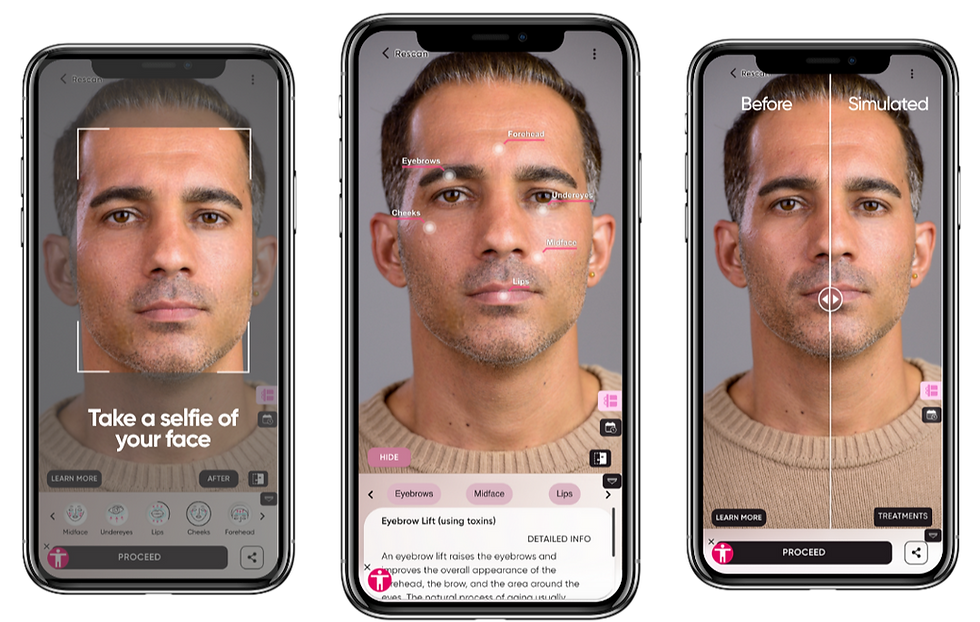
This can help you walk into your appointment with more confidence. You can show your provider the type of outcome you are hoping for, explain what you like, and point out what you want to avoid. Maybe you want your forehead to look smoother but still expressive. Maybe you want your eyes to look less tired without changing your smile. Your own face gives the best reference point because natural results should align with your features, not someone else’s.
It is also helpful to ask how your provider approaches first-time Botox patients. A conservative starting plan is often a good sign for someone nervous about looking different. You can ask how they assess facial movement, whether they recommend starting lighter, and if they offer a follow-up for small adjustments instead of going too heavy on day one.
Can Botox look natural on the forehead and around the eyes?
Yes, but these areas require precision because they affect expression so much.
The forehead is where many people worry about looking frozen. Natural treatment here usually means keeping some movement instead of trying to make the skin perfectly still. Brows need support from the forehead muscles, so overtreatment can make the upper face feel heavy or flat.
Around the eyes, the goal is often to soften crow’s feet without erasing the character of your smile. A little movement can look youthful and real. Too much relaxation can make the smile feel disconnected from the rest of the face.
This is where personalization becomes essential. A treatment plan that looks beautiful on one person may look unnatural on another because the eye area, brow shape, and smile patterns are different.
Why visualization can help before you commit
One reason people hesitate with injectables is simple: they cannot easily picture the outcome.
They know what they do not want, but they are not always sure what subtle, natural improvement would actually look like on their own face.
That uncertainty can make Botox feel like a bigger decision than it needs to be. Many people rely on generic before-and-after photos, celebrity references, or filtered images, but those do not show how Botox may look with their own facial structure, expressions, brow shape, or natural features.
This is where the AI Simulator can make the decision feel clearer. Instead of imagining the result, users can visualize a more refreshed version of themselves before booking a consultation. They can explore what softer forehead lines, a smoother frown area, or a more relaxed overall appearance may look like while still keeping their face recognizable.
For anyone worried about looking frozen or overdone, this kind of preview can be especially helpful. The goal is not to create a dramatic “new face.” It is to help people understand what natural-looking improvement could look like on their own face.
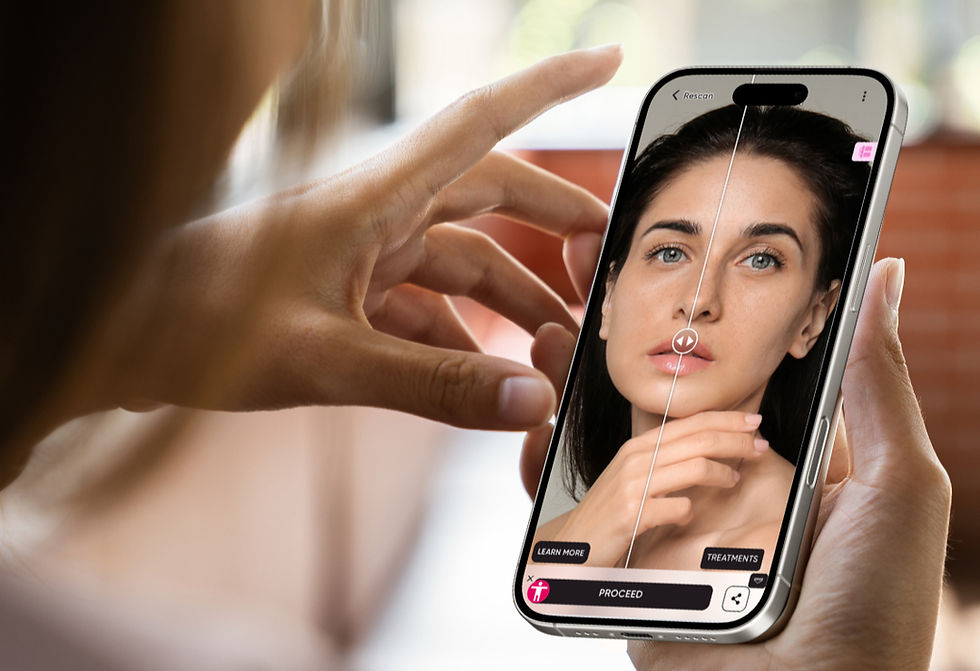
The AI Simulator supports better conversations between patients and providers too. When someone has already seen a realistic preview of their aesthetic goals, they can walk into a consultation with clearer expectations, better questions, and more confidence in choosing a treatment plan that feels subtle, personal, and believable.
The real answer: natural Botox is a decision, not an accident
So, can Botox look natural? Yes – consistently, convincingly, and in a way that still looks like you.
But it rarely happens by accident. It comes from clear goals, realistic expectations, personalized planning, and a provider who understands that the best aesthetic work is often the least obvious.
If you are interested in Botox but worried about losing what makes your face yours, that instinct is worth listening to. The right treatment should give you more confidence, not more doubt.
Before you commit, the AI Simulator can help you see what subtle, natural-looking changes may look like on your own face. Instead of guessing, comparing yourself to someone else, or hoping your provider understands what “natural” means to you, you can start with a clearer vision of the result you actually want.
Start with a clear picture of the outcome, choose subtle over dramatic, and let “better” mean believable.


Comments