
Can AI Predict Botox Results?
Updated: May 14

A wrinkle softener sounds simple until it is your face, your money, and your comfort with change on the line. That is why so many people ask:
Can AI predict Botox results in a way that actually helps them decide before booking an appointment?
The short answer is yes, to a point. AI can help visualize likely outcomes, highlight how wrinkle reduction may look on your own face, and make the decision process feel far less abstract. But Botox is not a copy-paste treatment. Final results still depend on anatomy, muscle movement, dosage, injector technique, and your personal goals.
That makes AI most useful as a decision tool, not a crystal ball. If you understand what it can do well and where human expertise still matters, it becomes a powerful way to move from uncertainty to clarity.
Can AI predict Botox results with real accuracy?
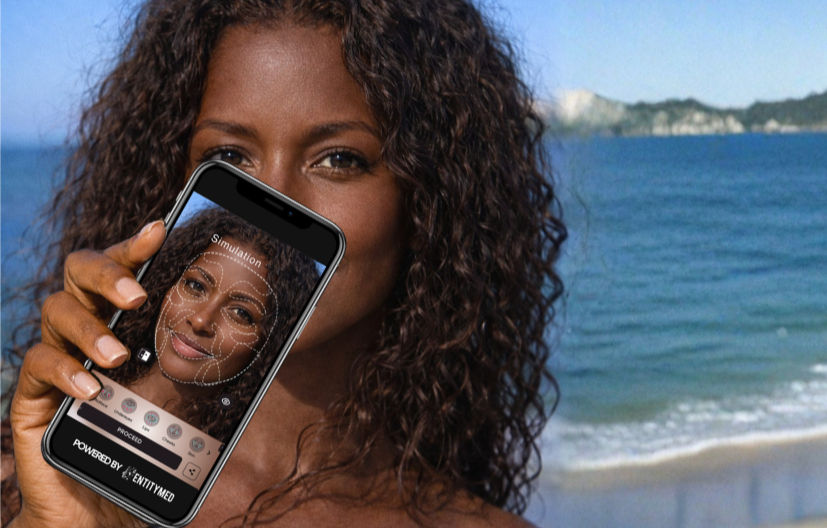
AI can predict Botox results with meaningful visual guidance, especially when it is trained to analyze facial patterns, wrinkle depth, symmetry, and common treatment response areas. In practical terms, it can take a selfie or facial image, assess visible signs of dynamic aging, and generate a simulated after-view that reflects likely softening in areas such as forehead lines, frown lines, and crow's feet.
That matters because Botox works by relaxing specific muscles. If those muscles are creating visible expression lines, an AI model can often estimate how a softer version of that movement may appear. For someone trying to decide whether they want a subtle refresh or are worried about looking frozen, that preview can be much more useful than generic before-and-after photos from strangers.

What AI is actually analyzing
When people hear AI in aesthetics, they sometimes imagine a magic tool that knows exactly what their face will look like in two weeks. The reality is more grounded, and that is a good thing.
AI systems built for aesthetic visualization typically analyze visible facial features and patterns. That may include wrinkle severity, skin texture, facial proportions, symmetry, and the way lines appear in common Botox treatment zones. Some platforms also use broader aesthetic datasets to compare facial characteristics with known treatment effects.
The best tools are focused on personalization. Instead of showing a generic "smoother forehead" concept, they model likely changes on your actual face. That personalized context is where AI becomes valuable. You are not just learning what Botox does in theory. You are seeing how it may look on you.
For consumers, that changes the experience. It reduces the guesswork that often delays treatment or leads to second-guessing. You can react to a realistic visual, think through how much change feels right, and walk into a consultation with clearer expectations.

Where AI predictions are most helpful
Botox is often chosen for a few familiar concerns, and AI tends to be most helpful in those same areas. Forehead lines, the vertical 11s between the brows, and crow's feet are all visible, pattern-based concerns that lend themselves well to simulation.
In those cases, AI can help answer very human questions. Will I still look like myself? Will the change be noticeable or just polished? Is this enough of an improvement to justify the cost and upkeep? Those are not small concerns. They are usually the real reason people hesitate.
AI is also helpful for first-time patients who have trouble translating medical language into a personal outcome. A provider may explain units, muscle groups, and expected relaxation, but many people still cannot picture the end result. A visual estimate bridges that gap.
It can also help experienced Botox users who are considering a different approach. Maybe you want a lighter touch this time. Maybe you are treating a new area. A simulation can support a more informed conversation about how much change you want instead of relying on memory or assumptions.
AI simulation vs before-and-after photos
Traditional before-and-after galleries can be helpful, but they have obvious limits. The faces are not yours. Lighting varies. Expressions differ. And even when results are excellent, it can be hard to know whether that same outcome fits your features or your comfort level.
AI simulation offers something different. It turns the conversation inward. Instead of asking, "Do I like her results?" you are asking, "How would this level of softening look on me?" That shift is important because aesthetic decisions are personal. Most people are not chasing a textbook result. They want to look rested, smoother, or less tense while still feeling recognizable.
This is where a platform like eMI fits naturally into the research process. A personalized preview can make Botox feel less like a leap and more like an informed choice, especially for people who want clarity before they ever sit in a treatment chair.

What to look for in an AI Botox preview tool
Not every image tool is built for aesthetic decision support. Some are entertainment filters dressed up as beauty tech. That difference matters.
A useful Botox simulation tool should feel realistic, not exaggerated. It should preserve your identity rather than over-editing your face into something unnaturally smooth. It should be easy to use, clearly focused on treatment visualization, and grounded in real facial analysis rather than generic beauty effects.
Transparency matters too. The right platform should make it clear that results are simulated estimates, while still giving you enough personalization to make the preview meaningful. That balance builds trust. People exploring aesthetic treatments usually do not want hype. They want a smarter way to understand their options.
So, can AI predict Botox results well enough to help?
Yes - when the goal is better decision-making, not perfect certainty. AI can give you a realistic sense of how Botox may soften lines on your face, help you compare subtle versus more noticeable change, and reduce the anxiety that comes from not knowing what to expect.
That is a big deal in aesthetics, where hesitation often has less to do with the treatment itself and more to do with fear of regret. When you can visualize a likely outcome before committing, the process feels more personal, more transparent, and more in your control.
If you are considering Botox, the best next step is not guessing harder. It is getting a clearer view of what you are actually saying yes to.


Comments