
Botox Before and After Simulator Guide

A few forehead lines can feel easy to ignore until you catch them in bright bathroom lighting, on a work call, or in a photo you did not know was being taken. That is usually the moment the search starts - and for many people, a Botox before and after simulator feels like the first real step toward clarity.
Not because it replaces a provider. It does not. But it can answer the question that keeps most people stuck: What might this actually look like on my face?
What a Botox 'before and after' simulator really does
Botox is subtle when it is done well. That is part of the challenge. You are not usually looking for a dramatic transformation. You are looking for softer lines, a more rested expression, and results that still feel like you. Reading about units, treatment areas, and timelines can help, but it does not always make the outcome feel real.
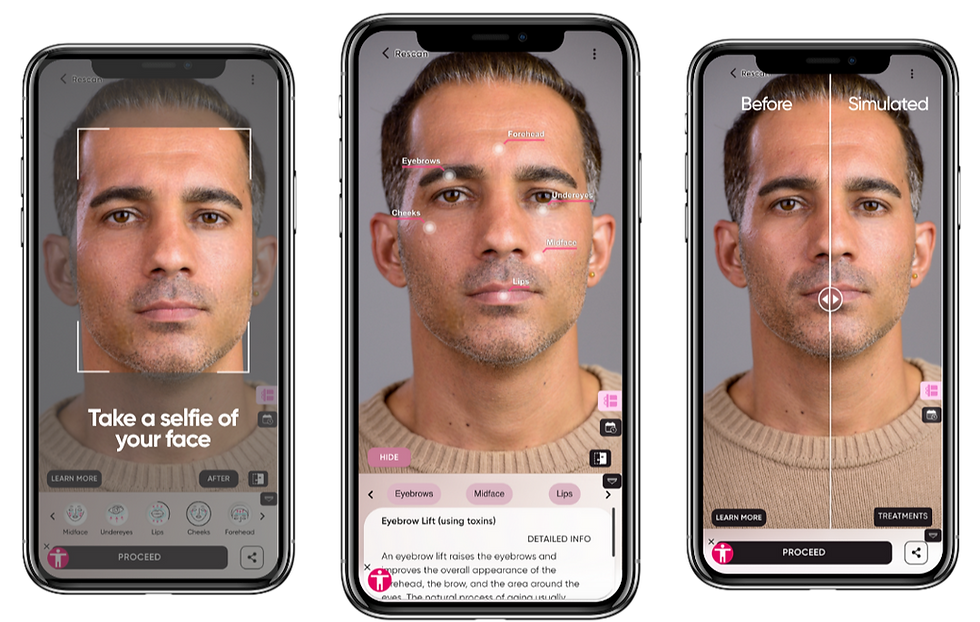
A simulator bridges that gap by turning general information into something personal. Instead of imagining how forehead Botox might affect a model, a celebrity, or a stock image, you can preview changes using your own features. That shift matters. It moves the decision from abstract to visible.
The best simulators are designed to show likely visual changes in areas people commonly treat with Botox, such as forehead lines, frown lines between the brows, and crow's feet. The goal is not fantasy editing. The goal is a realistic preview that helps you decide whether the treatment matches what you want.
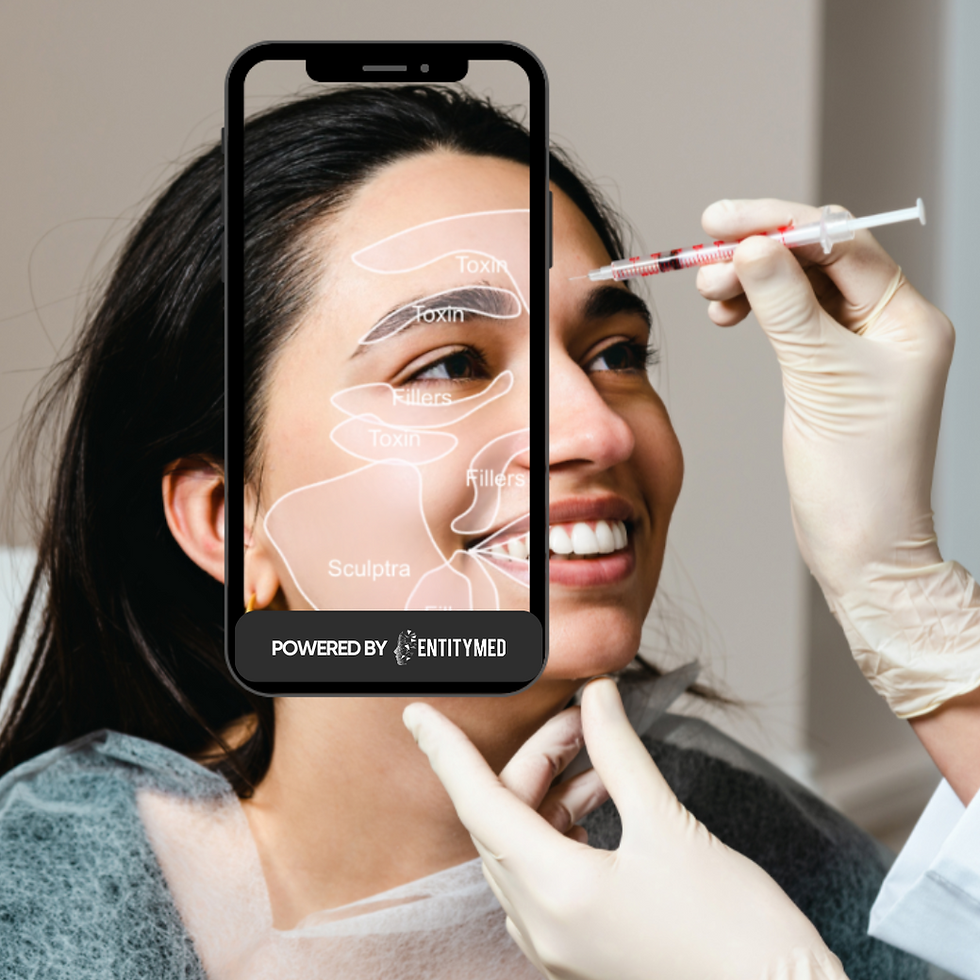
Why people use a simulator before booking Botox
For most first-time Botox patients, hesitation has less to do with curiosity and more to do with uncertainty. They do not want to look frozen. They do not want to spend money on a result that feels too subtle or too strong. They do not want to walk into a consultation without knowing what they are even asking for.
That is where simulation becomes useful. It gives you a more concrete starting point. Instead of saying, "I want to look better, but natural," you can begin with a visual reference based on your own face. That makes it easier to identify whether your goal is smoother forehead skin, less movement in the glabella area, or a softer look around the eyes.
It also helps set emotional expectations. Sometimes a person thinks Botox will lift everything, erase deep static lines, and create a refreshed look all at once. In reality, it depends on your facial anatomy, skin quality, age, muscle movement, and whether Botox is the right treatment by itself. A simulator can help narrow the gap between what you hope for and what the treatment is actually likely to do.
What a simulator can tell you - and what it cannot
A botox before and after simulator can be incredibly helpful, but only if you use it for the right reason. It is a decision-support tool, not a guarantee.
What it can do well is show a plausible aesthetic direction. It can help you understand whether softening certain lines would make you feel more confident, more refreshed, or simply more like yourself on a good day. It can also help you compare whether Botox seems like enough on its own or whether your concerns might involve skin texture, volume loss, or pigmentation that Botox does not address.
What it cannot do is promise your exact final result. Botox outcomes vary by injector technique, dosing, product selection, facial muscle strength, and how your body responds. Even timing matters. Some people see changes sooner, while others need the full treatment window before the result settles in.
That does not make simulation less useful. It just means the smartest way to use it is as a preview for planning, not a contract for perfection.
Botox simulation vs. before and after photos
Traditional before and after galleries still have value. They show real patients and real outcomes. But they have a built-in limitation: those faces are not yours.
Even when someone has a similar age or concern, your starting point is different. Your brow shape, skin thickness, muscle activity, and expression patterns all influence how Botox may look. A photo gallery can show what is possible in general. A simulator helps make the decision personal.
The two work best together. Before and after images can help you understand the range of normal outcomes. A simulator can help you picture how that range may translate to your face specifically. That combination tends to create more confidence going into a consultation.
Who benefits most from using a simulator
This kind of tool is especially helpful for people who are Botox-curious but not yet ready to commit. If you have been researching for weeks, zooming in on your forehead in every mirror, and still feel unsure, a personalized preview can cut through a lot of that noise.
It is also valuable for patients who have had Botox before but want a different approach. Maybe your last treatment felt too light. Maybe it reduced movement more than you wanted. A simulator can help you refine your goals before your next appointment.
Even experienced aesthetic patients use visual planning tools because Botox is not one-size-fits-all. The right result is not simply fewer lines. It is a result that fits your face, your comfort level, and the version of yourself you want to maintain.
The bigger reason this matters
Aesthetic decisions are personal, but they should not feel blind. People want control before they spend money, commit to appointments, or put trust in a treatment that changes how they look. That is why simulation tools are becoming such an important part of the aesthetics journey.
A botox before and after simulator does more than show smoother skin. It gives you a way to test a choice before making it. For many people, that removes the biggest barrier of all - not fear of Botox itself, but fear of not knowing.
If you are considering treatment, clarity is a better starting point than pressure. Seeing a realistic preview on your own face can help you move from wondering to deciding, with more confidence and a lot less second-guessing.
The best aesthetic decisions rarely start with impulse. They start when you can finally see your options clearly enough to trust your next move.
How can eMI’s AI facial simulator help YOU?
With the AI Aesthetic Simulator, you can preview potential results in seconds and explore which treatments align with your beauty goals. It’s the easiest way to pick and choose what you’d love to enhance, based on how you want to look - no guessing, no pressure.
With our AI facial simulator, you can visualize how various aesthetic treatments can enhance your look before any injections. The best part is - you can decide how natural or dramatic you want the results to look, and then of course send the virtual results to family or friends to get their input.


Comments