
Best Questions to Ask Before a Botox Consultation

A Botox appointment can feel deceptively simple – A few injections, a few days of waiting, and smoother-looking skin.
But the quality of your result often depends less on the product itself and more on what happens before the first unit is ever placed. That is why knowing the best questions to ask before a Botox consultation matters. It gives you a clearer picture of your options, your likely outcome, and whether a provider is the right fit for your face.
If you are trying Botox for the first time, or even returning after a result you did not love, the consultation is where confidence is built. It is your chance to move from vague hope to a more informed decision.
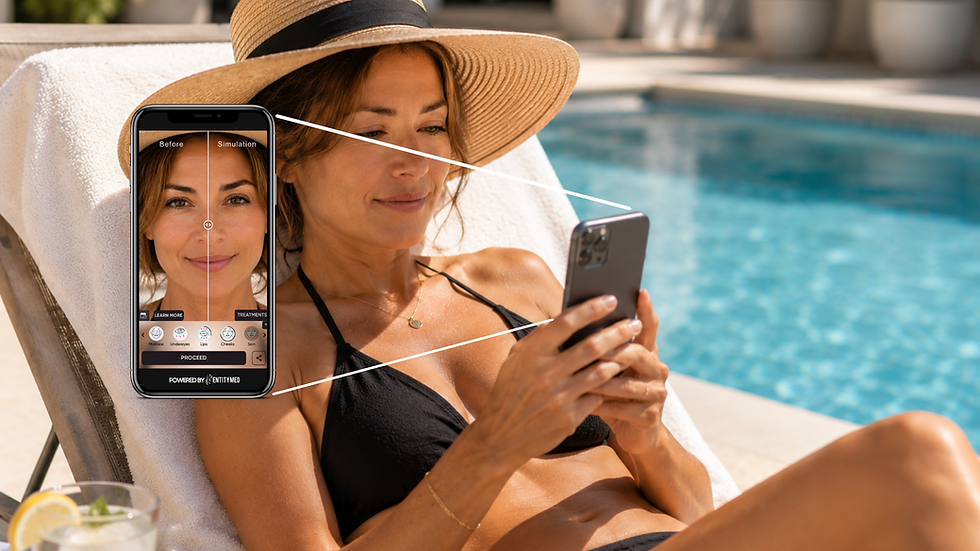
And with tools like the AI Facial Simulator, that decision can start even earlier.
Before walking into a consultation, users can preview potential aesthetic changes on their own face and begin to understand what “refreshed,” “natural,” or “less tired” could actually look like for them. Instead of relying only on imagination or someone else’s before-and-after photo, they can begin with a clearer visual starting point.
Why the AI Simulator is a must before the consultation
Botox is often treated like a quick beauty errand, but good treatment is highly individualized. The right plan depends on your facial anatomy, muscle movement, age, skin quality, goals, and tolerance for change. Someone else’s forehead result may have very little to do with what will look natural on you.
That is why preparation before the consultation matters more than most people realize. Walking in with a clearer understanding of your goals can make the entire experience more productive and less uncertain.
But many people struggle to explain what they want. They may know they look tired, tense, or older than they feel, but they may not know whether Botox is the right answer. They may not know if they are bothered by forehead lines, frown lines, crow’s feet, brow heaviness, or overall facial movement.
The AI Facial Simulator helps bridge that gap. By visualizing possible outcomes before booking, users can walk into a consultation with more clarity about what they like, what they want to avoid, and what kind of result feels right for their face.
Questions you should ask at your Botox consultation
1. Am I a good candidate for Botox?
This sounds basic, but it is one of the most important questions.
A good candidate is not simply anyone who wants fewer wrinkles. Your provider should consider your muscle strength, facial balance, medical history, pregnancy status, allergies, prior treatment experience, and your expectations.
This question also helps reveal whether the provider is willing to say no, or at least not yet. That is a good sign. The right provider should not just ask, “Do you want Botox?” They should ask what you want Botox to help you achieve.
2. What areas do you recommend treating, and why?
You may walk in focused on forehead lines, while your provider notices that the frown area, crow’s feet, or brow position are more relevant to your overall look.
Ask for the reasoning behind their plan. The best consultations connect treatment areas to facial harmony, not just isolated wrinkles.
This is where bringing a visual reference can be helpful. If you have used the AI Facial Simulator, you may already have a clearer idea of the type of result you are drawn to. Maybe you want your forehead to look smoother but still expressive. Maybe you want your eyes to look less tired without changing your natural brow shape.
That kind of clarity helps the provider understand your aesthetic goals more quickly.
3. How many units do you think I will need?
Units affect both outcome and cost, so you want specifics. But there is nuance here. The right number depends on your anatomy and goals, not on a fixed formula or a friend’s experience.
If someone quotes a number without examining your movement, that is not especially precise. If they explain a range and why, that is usually more credible.
The goal is not to get the most units or the fewest units. The goal is to get the right treatment plan for your face.
4. What kind of result should I realistically expect?
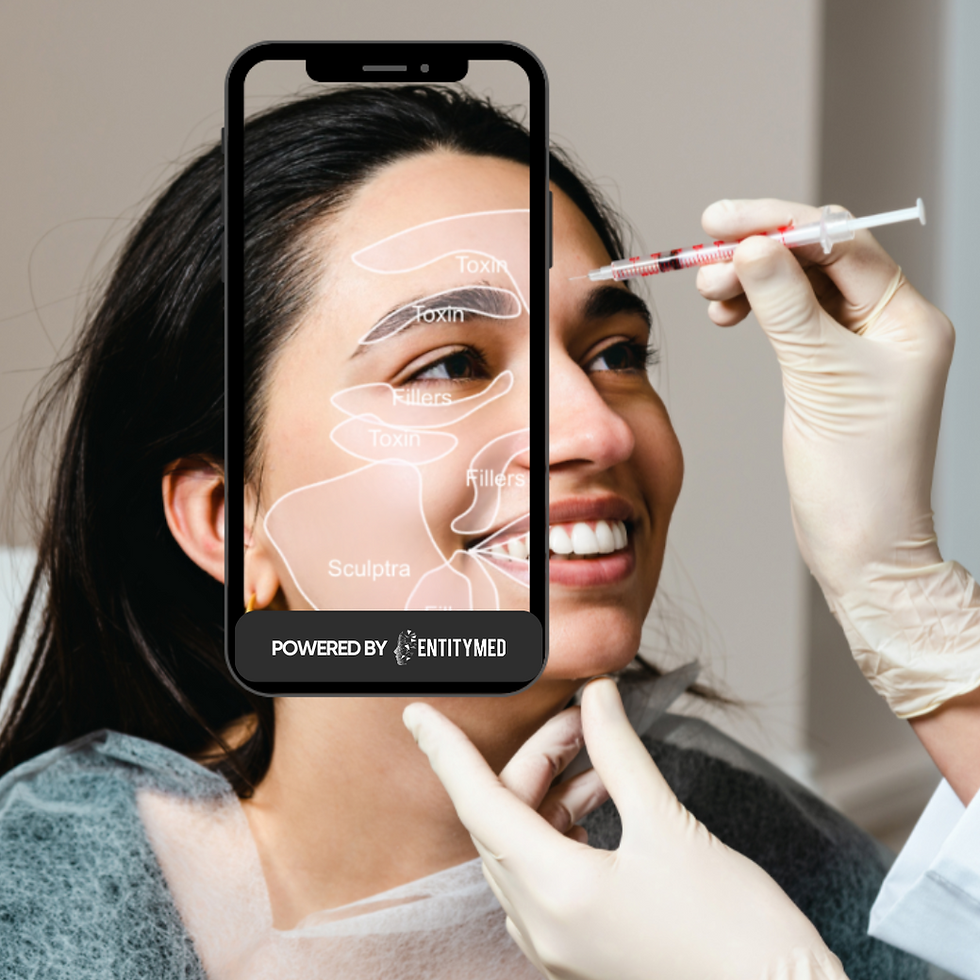
This is one of the best questions to ask before a Botox consultation because expectations are where satisfaction is won or lost.
Ask what will improve, what may only soften, and what is unlikely to change. Also ask whether your result will look subtle, noticeable, or somewhere in between.
You want honesty here.
“Natural” means different things to different people. With the AI Facial Simulator, users can begin exploring that question visually before the consultation. A simulation can help you understand whether you are drawn to a very subtle refresh, a smoother look, or a more noticeable softening of expression lines.
Seeing possibilities ahead of time can make the provider’s explanation easier to understand.
5. How long will my results last?
Most people hear a general timeline, but your provider should explain the variables.
First-time users may metabolize Botox differently than long-term patients. Lifestyle, muscle activity, dose, and treatment area can all affect duration.
A realistic conversation around longevity helps you budget and plan instead of feeling surprised when movement starts to return.
Botox is temporary, which many people like because it gives them flexibility. But temporary also means maintenance matters.
6. What are the risks and side effects for the areas I want treated?
Even though Botox is common, it is still a medical treatment.
Ask about bruising, swelling, asymmetry, headache, heaviness, eyelid or brow changes, and how often those issues occur in the provider’s own practice.
The goal is not to become anxious. It is to understand how your provider thinks, how clearly they communicate, and whether they treat safety as part of the experience rather than an afterthought.
A confident decision is not one where you ignore the risks. It is one where you understand them.
7. Who will actually perform my injections?
At some med spas, the person doing the consultation is not the person doing the treatment. That may be fine, but it should be transparent. Ask who the injector is, what their credentials are, and how experienced they are with the specific areas you are considering. Technique matters. So does artistic judgment.
Botox is not only about relaxing muscles. It is about understanding how small changes affect the full face.
8. What does pricing include?
Botox pricing can be quoted per unit, per area, or as part of a broader treatment plan. Ask exactly how the clinic charges and whether follow-up, touch-ups, or assessment appointments are included.
This is where transparency matters. The lowest advertised price is not always the best value if it leaves out what you assumed was part of the service.
Aesthetic decisions involve your face, your confidence, and your budget. You deserve to understand the full picture before saying yes.
9. What should I do before and after treatment?
Preparation and aftercare can affect bruising, comfort, and how smoothly the appointment goes. Ask about exercise, alcohol, supplements, skincare, makeup, lying down after treatment, and when to schedule around events.
Small details can make a difference, especially if this is your first time.

10. What happens if I do not like the result?
This is an empowering question, not a confrontational one.
Since Botox is temporary, most concerns improve with time, but you still want to know how the practice handles follow-up and patient concerns.
A provider who welcomes this question usually understands that confidence comes from clarity, not pressure.
Questions to ask yourself before you book
Not every useful question is for the injector.
Ask yourself whether you want prevention or correction. Ask whether you want subtle softening or a more polished change. Ask whether you are comfortable with the upkeep.
Botox is temporary by design, which many people like because it gives them flexibility. But it also means maintenance matters.
It is also worth asking how much uncertainty you are willing to tolerate. If you are nervous about changing your face, do not rush just because Botox is common.
A good first step may be to visualize the possibilities privately. With the AI Facial Simulator, you can explore what a softer, smoother, more refreshed version of yourself may look like before deciding whether to book.

Sometimes that preview makes you feel more confident moving forward. Sometimes it helps you realize you want something more subtle. Sometimes it confirms you are not ready yet. All of those answers are useful.
A better Botox consultation starts before the appointment
The right Botox consultation does not leave you feeling sold to. It leaves you feeling clear, prepared, and more in control of what happens next.
That clarity starts with better questions. It starts with understanding your goals, your concerns, your options, and your provider’s approach. And now, with tools like the AI Facial Simulator, it can also start with seeing what may be possible on your own face before you commit.
Botox is not just about smoothing lines. It is about choosing a result that feels like you.
When you can visualize your goals, ask smarter questions, and walk into the consultation with a clearer sense of what you want, the decision becomes less about guessing and more about confidence.


Comments